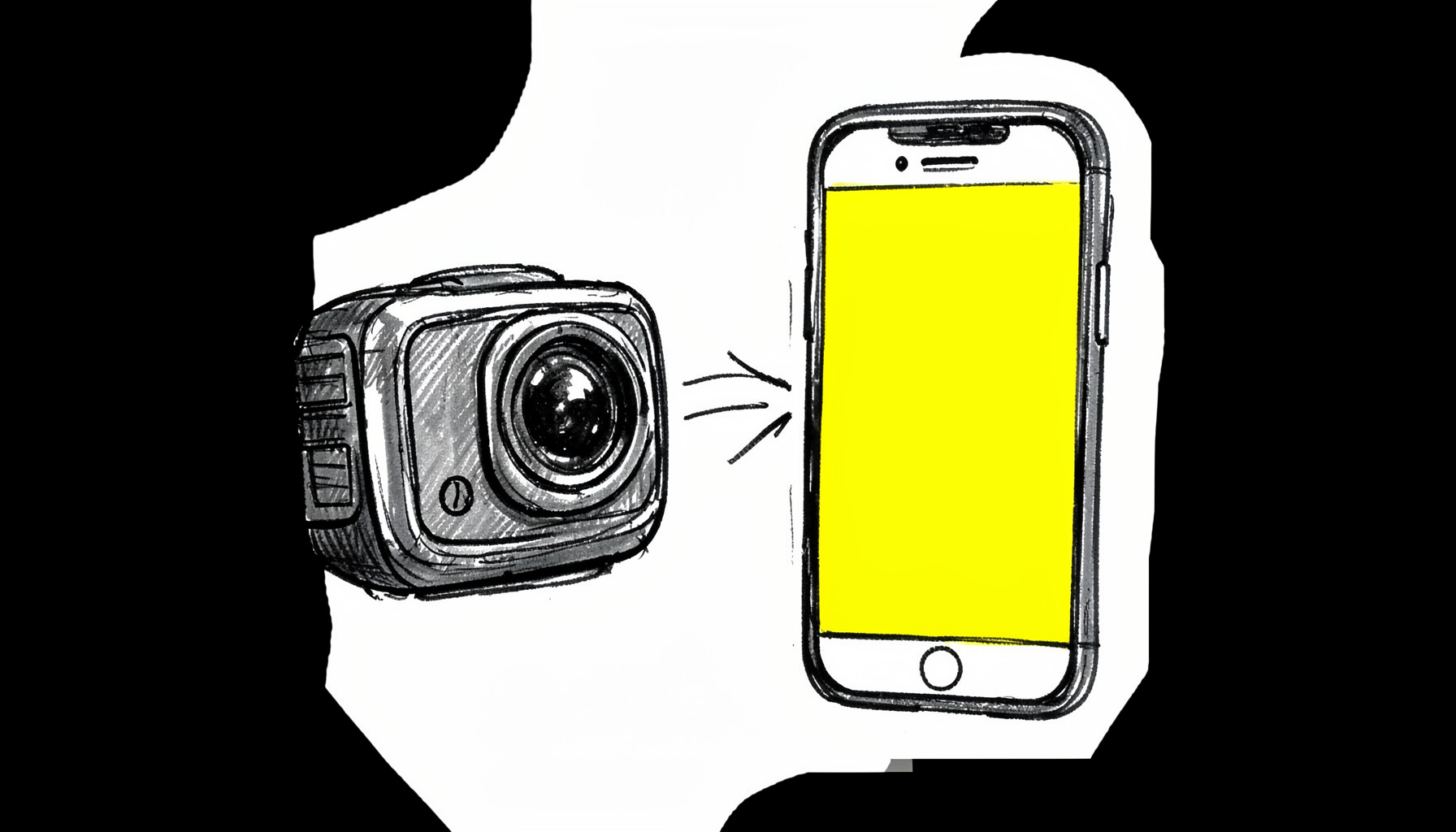
Play GoPro 4K Video on iPhone 7 (Plus)
Transfer and play GoPro Hero 4K footage on iPhone 7 or iPhone 7 Plus, including compression techniques for smooth playback.
June 2017
Explore articles on camera brands, video formats, and tech news affecting personal entertainment.
In the world of digital media, video conversion remains a cornerstone of modern entertainment. Whether you are working with high-definition footage from a camcorder or downloading clips from online sources, the ability to transcode files into universally playable formats ensures seamless playback across devices. From MTS and MXF to ProRes and MP4, each format serves a distinct purpose in editing workflows. Popular non-linear editing systems like Premiere, Final Cut Pro, and DaVinci Resolve demand specific codecs for smooth performance. Understanding these technical requirements helps preserve video quality while maintaining compatibility, making format conversion an essential skill for content creators and casual viewers alike who value flexibility in their personal entertainment libraries.
Audio editing and mixing have evolved into accessible tools for home users seeking professional-grade results. With the right software, anyone can trim, split, merge, and enhance audio tracks to suit their creative vision. Multi-track mixing allows for combining voiceovers, background music, and sound effects into cohesive productions. Whether you are polishing a podcast, editing a video soundtrack, or simply organizing your personal media collection, audio editing capabilities empower users to take control of their content. The growing demand for high-quality sound has driven innovation in consumer-grade applications, making sophisticated audio processing available without requiring a dedicated studio or expensive hardware investments.
The landscape of personal entertainment continues to expand as technology bridges the gap between professional tools and everyday users. Video editing software now offers advanced features such as color grading, motion tracking, and visual effects that were once reserved for Hollywood productions. Home users can brighten footage, apply filters, and compress large files for easy sharing on social platforms. This democratization of media production has transformed how people document their lives, create content for online communities, and preserve memories. The convergence of powerful hardware and intuitive software means that anyone with a creative spark can produce polished videos that rival traditional broadcast quality, all from the comfort of their own home.
Optical media remains relevant in an era dominated by streaming and digital downloads. Blu-ray and DVD ripping tools allow users to backup their physical collections and convert them into portable digital formats. This process preserves the original video quality while offering the convenience of accessing content on laptops, tablets, and smartphones. Ripping software has matured to handle complex copy protection schemes while maintaining efficient compression algorithms. For collectors and enthusiasts, maintaining a digital library of their favorite films and shows provides peace of mind against disc damage or loss. The ability to store and organize thousands of titles in a compact digital format represents a practical solution for modern media consumption habits.
The variety of video formats available today reflects the diverse needs of creators and consumers. From the high-bitrate demands of professional MXF files to the universal compatibility of MP4, each format offers specific advantages. Understanding the strengths of different codecs helps users make informed decisions when editing, archiving, or sharing video content. Advanced toolkits now support batch processing, allowing users to convert entire libraries of footage with consistent settings. Whether you are working with footage from a smartphone, DSLR, or professional camcorder, the right software can streamline your workflow. This flexibility ensures that your content remains accessible across different devices and platforms, enhancing your overall entertainment experience.
Transfer and play GoPro Hero 4K footage on iPhone 7 or iPhone 7 Plus, including compression techniques for smooth playback.
June 2017
Prepare HD MKV videos for playback on iPhone 6 Plus by converting them to compatible formats.
September 2014
Discover top wallpaper sources and learn how to change wallpapers on iPhone 6 Plus running iOS 8.
September 2014Looking for step-by-step video conversion tutorials?
Browse How-To Guides